Louis Sayer and his cousin Arthur Pool
Louis Sayer and his cousin Arthur Pool, Port Arthur 1915
CREATOR
Douglas
DATE
1915
LANGUAGE
eng
ITEMS
1
INSTITUTION
Europeana 1914-1918
PROGRESS
METADATA
Discover Similar Stories
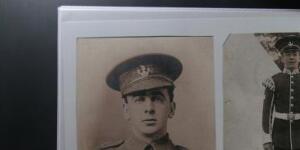
Arthur Dagger and his Bugle
14 Items
This story is about a bugle. The bugle belonged to the Clifton family and was donated to the 29th Lancashire Rifle Volunteers in 1860. Prior to 1897 William Dagger who was a member of the regiment came into possession of the bugle. In 1911 Richard Arthur Dagger who had volunteered for the same regiment was given the same bugle. He kept the bugle until he returned from a camp in Cumbria in 1914 on the outbreak of war when he had to surrender the bugle in exchange for a rifle and bayonet. In 1954 whilst attending a dinner at Squires Gate Camp the same bugle was discussed and a Colonel from the Army Cadet Force Camp came to see Arthur Dagger with the bugle which he then kept for some years until returning it to Fulwood barracks in Preston. || Collection of photographs and articles about the bugle
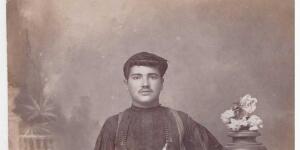
ANESTIS PYROVOLAKIS'S GREETINGS TO HIS COUSIN KATERINA
2 Items
Ο πατέρας μου Ανέστης Πυροβολάκης με κρητική στολή στην Κόρινθο

Swimming pool | Schwarmstedt POW camp
1 Item
This swimming pool was dug by the prisoners of war in just three weeks. Because the land was so flat, it took a lot of work and they eventually reached a depth of four feet at the deepest point.