Serbian 75MM Schneider artillery fuse
The Kingdom of Serbia used the 75MM Schneider artillery gun from the first two Balkan Wars (1912 and 1913) and on into the First World War. The fuses for these shells had the range marked onto them so that they could be fired to explode at the required distance, and they were used for High Explosive (H.E.) and shrapnel shells, which contained approximately 300 bullets which burst in the air over the target. The Serbian M1911 shell fuse was manufactured in Kragujevac, Serbia, and, when the shell was fired, operated from a minimum range of 500 metres up to 5500 metres.
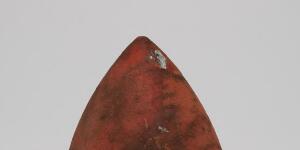
This is a sectioned fuse from a Serbian 75MM Schneider shell mounted on a piece of marble with a German-language metal label attached which reads 'Serbien 1914 1915'. Presumably, because of the use of German language on the label, it was in a German or Austrian collection by 1915 or soon after. Though this fuse has been sectioned in order to display the internal components, it is still possible to see the range markings on it in metres.
CREATOR
Špiro Vranješ
DATE
1914 - 1915
LANGUAGE
eng
ITEMS
9
INSTITUTION
Europeana 1914-1918
PROGRESS
METADATA
Discover Similar Stories

Julien SCHNEIDER. Coffret
1 Item
Coffret réalisé par Julien SCHNEIDER durant sa captivité en Allemagne.

Feldpostkarte - Moritz Schneider
2 Items
Postkarte von Moritz Schneider (zwangsverpflichter Eisenbahner) an seine Nichte Elsa Rehm (diese war zu diesem Zeitpunkt knapp 16 Jahre alt) aus der Endphase des ersten Weltkrieges mit Grüßen an seine Schwester Anna Rehm und die weiteren Töchter sowie an seinen Schwager Paul Rehm, der sich als Soldat zu diesem Zeitpunkt an der Westfront in Sedan befand. Bemerkenswert ist die Stelle .., und wie es scheint kommt auch der langersehnte Frieden balde. Der Krieg ist ja für Deutschland verloren, und bessere Zeiten werden für uns allerdings nicht mehr kommen, doch die Hauptsache für uns ist, dass wir wieder in die liebe Heimat zurück können, alles andre muß ertragen werden ?. Moritz Schneider überlebte den 1. Weltkrieg und arbeitete weiter als Eisenbahner - als Rangierer einer Werksbahn bei Leipzig. || || Postcard || Libau || baldiges Kriegsende || Feldpostkarte || || Libau || Feldpostkarte || Postcard