Transcriptions (64,761 Items)
0% NOT STARTED
100% EDIT
0% REVIEW
0% COMPLETED
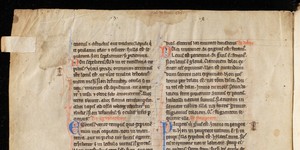
Basel, Universitätsbibliothek, F III 34 : Composite manuscript (natural science and theology) || Basel | Universitätsbibliothek | F III 34 : Composite manuscript (natural science and theology)
Item 4
Transcription: et term abbreviated as "⁊" aut traditus lapidi qui term abbreviated as "qͥ" te paulatim edat et term abbreviated as "ƶ" exiccet. Nulla est sepultura. Non sepelieris. Quid term abbreviated as "Qid" in re tutissima trepidas Ultra penax omnium terminum term abbreviated as "terminū" iste locus est, ut vite multa debeam morti nihil . Non defunctorum term abbreviated as "defuncto4" causa sed term abbreviated as "s3" vivorum term abbreviated as "vivo4" : inventa est sepultura, ut a corpore et term abbreviated as "⁊" odore fedo amoverent alios terra obruit, alios flama comsumpsit , alios lapis ad ossa inclusit. Non defunctis sed term abbreviated as "s3" oculis nostris term abbreviated as "nrīs" pracimus term abbreviated as "ꝑcimus" . De agrotatione Venit tempus quod experimetum mei capiam, non in mari, terra, aut in prelio vir fortis apparet, exhibetur in lectulo virtus. Non potest istud toto fieri, aut ego febrem relinquam aut me. Semper term abbreviated as "semꝑ" una esse non possumus. Cum morbo mihi term abbreviated as "mͥ" res est; aut vincetur aut vincet. De mala homini opinione. Male de te opinantur homines. Sed term abbreviated as "s3" mali . Moverer si de me cato , si sapient, si alter Moverer si hoc iudicio facerent. Nunc morbo faciunt. Non de me loquuntur, sed term abbreviated as "s3" de malo male bene loqui, faciunt quod non mereor, sed term abbreviated as "s3" quod term abbreviated as "ꝙ" solent. Exulabis. Erras. Cum omnia fecis: patriam meam transire term abbreviated as "t̓n̓sire" non possum. Omnium una est term abbreviated as "ē" , extra hanc term abbreviated as "hn̋c" nemo pia potest. Exulabis. Non sed locus. In : in meam venio. Nulla terram exilium est term abbreviated as "ē" : alta patria term abbreviated as "pr̄īa" est term abbreviated as "ē" . Non eris in patria term abbreviated as "pr̄īa" . Patria est term abbreviated as "ē" : ubicumque term abbreviated as "ubicumq3" bene est term abbreviated as "ē" . Illud autem per term abbreviated as "ꝑ" quod term abbreviated as "q8" bene est in term abbreviated as "ī" homine non in loco est term abbreviated as "ē" . In potestate est term abbreviated as "ē" quid sit fortuna ; si sapiens est term abbreviated as "ē" peregrinatur term abbreviated as "ꝑeginatur" : si stultus: exulat. Exulabis. Hoc term abbreviated as " ḣ" dicis: alterius loci civitate donaberis. Dolor imminet. Si exiguus et feramus term abbreviated as "feram9" . Levis est patientia, si gravis term abbreviated as "g̋vis" est term abbreviated as "ē" feramus term abbreviated as "feram9" . Non levis est term abbreviated as "ē" gloria. Clamorem dolor ex , ut exprimit. Non est curandum secreta non exprimat. Non par dolori esse term abbreviated as "ēē" : nec dolor. Dura res est dolor. Immo tu . Pauci dolorem ferre potuerunt. Simus ex paucis. Imbecilli natura sumus. Naturam infamare nolito , illa nos fortes genuit, fugiamus dolorem. Quod term abbreviated as "Qo" fugientem sequitur ille. Pauperas term abbreviated as "pauꝑras" mihi term abbreviated as "mͥ" gravis term abbreviated as "g̋vis" est. Immo tu paupera . Non in pauperate est term abbreviated as "ē" : sed term abbreviated as "s3" in paupe . Illa expedita est, hylaris tuta.

0% NOT STARTED
100% EDIT
0% REVIEW
0% COMPLETED
Władysław Zahorski - Żyłem pełnym i pożytecznym życiem (Dziennik część 1)
Item 138
Transcription: Wilnu wygląd odmienny od tego jaki miało tak niedawno jeszcze. Obliczają że Wilnie jest obecnie 80 tys żołnierzy, a że między nimi sporo Szlązaków, Poznańczyków, więc często spotyka się żoł nierzy mówiących ze sobą po polsku. Żydzi potrafili już ciągnąć korzyści nawet z wojny Setki

0% NOT STARTED
100% EDIT
0% REVIEW
0% COMPLETED
Władysław Zahorski - Żyłem pełnym i pożytecznym życiem (Dziennik część 1)
Item 137
Transcription: 19 wrz. (2 paźdz.) Sobota Dziś upływa dwa tygodnie jak Wilno zostało przez Niem ców zajęte. Nawet w tak krót kim przeciągu czasu zdołali oni das się w znaki ludności i zniechęcić ją ku sobie. Miasto zmieniło się literalnie na obóz wojskowy, Tłumy żoł nierzy wałęsających się po ulicach, (oficerów jednak nie wielu się spotyka), przemarsze wojsk, samochody czerwo nego krzyża przewodzące ran nych, drogowskazy niemieckie przybili do słupów i od rana do nocy po wszystkich ulicach ciągnąc sznurem tysiąc furgonów i wozów z amunicją, żywnością i wszystko to nadaje

0% NOT STARTED
100% EDIT
0% REVIEW
0% COMPLETED
Władysław Zahorski - Żyłem pełnym i pożytecznym życiem (Dziennik część 1)
Item 136
Transcription: Wysyłają ich do Niemiec na roboty. Komendantura ulokowała się w sądzie okręgowym przy ul Sw.Janskiej, tam również mieści się policja wojskowa, biuro naczelnego lekarza, któ rym jestz Monachium zaś jego pomoc nikiem dr. – Wegner zamieszkał w domu gubernatorskim przy ul Wileń skiej na przeciw (dawny , zaś komendant gen. Eichhorn, ulokował się w pałacu
Story Metadata (32,523 Stories)
196 Items
99% NOT STARTED
1% EDIT
0% REVIEW
0% COMPLETED
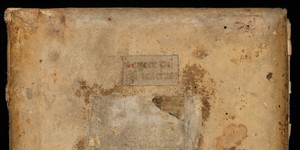
Basel, Universitätsbibliothek, F III 34 : Composite manuscript (natural science and theology) || Basel | Universitätsbibliothek | F III 34 : Composite manuscript (natural science and theology)
196 Items
Description: This manuscript, written in a 13th century textura, was the property of the cleric and historian Dietrich von Niem (1340-1418), who provided it with numerous marginal notes. The volume, which was passed on to the Carthusian Monastery of Basel, contains, among others, Seneca’s Naturales quaestiones, the discussion Cur deus homo? by Anselm of Canterbury, and the astrological work De radiis stellarum by the Arab philosopher and scientist Alkindi. It also contains the article De probatione virginitatis beatae Mariae from the so-called Suda, a Byzantine encyclopedia widely used in the Latin translation by Roberto Grosseteste.

2 Items
50% NOT STARTED
50% EDIT
0% REVIEW
0% COMPLETED
Postcard from the field
2 Items
Description: This postcard was sent to my great-grand-mother, aunt of the sender. Interesting to see that the authorities have allowed the added Christmas greeting in contravention of the instructions. || British Field postcard

1 Item
0% NOT STARTED
0% EDIT
100% REVIEW
0% COMPLETED
Foglio di congedo illimitato di Varini Vittorio
1 Item
Description: Foglio di congedo illimitato di Varini Vittorio; congedato con buona condotta

1 Item
0% NOT STARTED
100% EDIT
0% REVIEW
0% COMPLETED
Pensione di invalidità di guerra
1 Item
Description: Documento d’invalidità per congelamento. Datato 24 novembre 1919
Enrichments (404,216 Items)
75% NOT STARTED
25% EDIT
0% REVIEW
0% COMPLETED
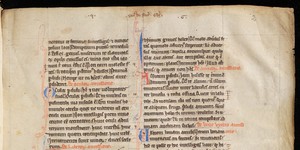
Basel, Universitätsbibliothek, F III 34 : Composite manuscript (natural science and theology) || Basel | Universitätsbibliothek | F III 34 : Composite manuscript (natural science and theology)
Item 5
Description: This document contains part of the work "De remediis fortuitorum" by Pseudo-Seneca. The original text features the typical abbreviations found in manuscripts from the Gothic period.
75% NOT STARTED
25% EDIT
0% REVIEW
0% COMPLETED
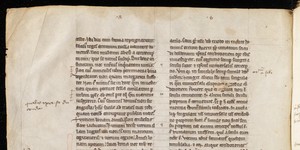
Basel, Universitätsbibliothek, F III 34 : Composite manuscript (natural science and theology) || Basel | Universitätsbibliothek | F III 34 : Composite manuscript (natural science and theology)
Item 6
Description: This document contains part of the work "De remediis fortuitorum" by Pseudo-Seneca. The original text features the typical abbreviations found in manuscripts from the Gothic period.
50% NOT STARTED
50% EDIT
0% REVIEW
0% COMPLETED
Basel, Universitätsbibliothek, F III 34 : Composite manuscript (natural science and theology) || Basel | Universitätsbibliothek | F III 34 : Composite manuscript (natural science and theology)
Item 4
Description: This document contains part of the work "De remediis fortuitorum" by Pseudo-Seneca. The original text features the typical abbreviations found in manuscripts from the Gothic period.
100% NOT STARTED
0% EDIT
0% REVIEW
0% COMPLETED
Previous
OF
101,054
Next